Boost Sales: Call Tracking with GMB Insights
67% of local searchers call a business directly from Search or Maps within minutes of finding a listing—yet many owners end up guessing where those calls come from.
Google My Business, now commonly called Google Business Profile, connects customers to businesses on Search and Maps. By pairing Google My Business call tracking with a dedicated solution, you can measure how many phone leads start at your listing. It also shows which calls convert to revenue.
GBP call tracking assigns a distinct tracking number to your profile. That ensures inbound calls are attributed automatically. This SEO Birmingham integration removes the guesswork about which channels perform. It lets owners quantify phone-driven revenue.
For call tracking for businesses, the insights are essential. You’ll see call volume, lead quality, and conversion trends. Armed with data, marketers shift budget toward stronger channels. The customer journey from first ring to sale can also be optimized.
Marketing1on1 helps businesses implement Google My Business call tracking. They also analyze results. This way, local listings can translate into provable sales.
Why Call Tracking with GMB Matters for Local Businesses
GBP is a go-to place for users to discover business information. Users see your hours, services, and an easy call button. That convenience helps users call the businesses they want quickly.
By tracking calls, businesses can pinpoint their most effective listings. It shows which listings are driving sales.
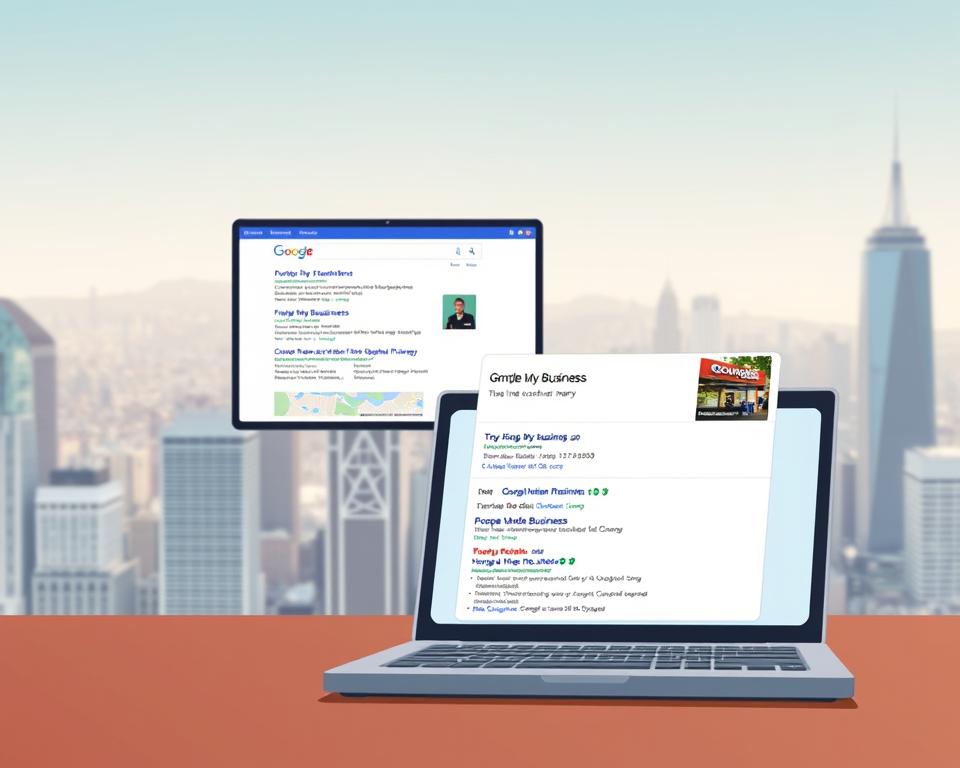
Why GMB Brings in High-Intent Callers
When local searchers are ready, GMB surfaces your business details. A profile call typically signals high intent to buy or book. GMB call tracking collects details such as timestamp and call length.
This helps teams focus on leads that are more conversion-ready.
Why attribution matters: separating GBP calls from other channels
Using a dedicated tracking number for each GBP profile isolates calls. This way, businesses can see which calls come from the listing. Other channels won’t be mistakenly credited for GBP-driven leads.
Proper phone call tracking keeps marketing budgets aligned. It avoids misattributed conversions.
The revenue impact: measuring sales tied to phone leads
Analytics link phone calls to outcomes such as bookings and sales. When a tracked call converts to revenue, businesses can see the true ROI. That clarifies the value of listings and campaigns.
Recording and tagging calls helps sales teams focus on the most promising leads. It speeds up the lead qualification process.
| Measure | Why It’s Important | How Call Tracking Captures It |
|---|---|---|
| Total calls | Signals reach and interest | Per-profile tracking numbers tally all GMB calls |
| Average/total call length | Reflects interest and quality | Call tracking analytics logs duration and flags short or missed calls |
| Peak call times | Guides staffing and promos | Phone call tracking timestamps each call for trend analysis |
| Revenue attribution | Connects calls to sales results | Integrations map calls to appointments, invoices, and CRM records |
| Noise filtering | Protects data integrity | Tagging/filters clear spam before reporting |
Understanding GBP Insights and Phone Call Metrics
Local marketers need clear metrics to link visibility to phone leads. GBP displays interactions such as calls, profile clicks, and directions. By pairing GBP insights with a call tracking tool, we get a full picture of how searches turn into conversations.
Key metrics that relate to phone call performance
“Called you” reports list phone actions and quantify direct intent. Search and Maps views show exposure prior to a call. Engagement stats such as website clicks and direction requests offer context for caller behavior.
Differences between GMB/GBP insights and Google Analytics
GMB measures profile actions off-site, including phone calls and map interactions. Google Analytics tracks on-site behavior like sessions and conversions. Use GMB for profile attribution and GA4 for page analytics. Merge call-tracking data to connect phone leads to proper touchpoints.
Contextualizing Calls with Discovery/Search/Engagement Metrics
Discovery versus direct searches shows whether callers found the business via category queries or brand terms. A rise in discovery searches with rising calls points to improved local reach. If calls climb but site clicks fall, adjust CTAs and phone visibility for caller intent.
Export GMB insights for time-based comparisons and location benchmarks. Combine those exports with call tracking tool reports to analyze peak hours, staffing needs, and campaign effects across neighborhoods.
How Call Tracking Tools Hook into GBP
Starting to use call tracking with Google My Business means linking each location to a single number. Vendors such as WhatConverts, CallRail, and DialogTech provide numbers. You put these numbers in your Google My Business profile.
Setup is straightforward. Start by creating an account and choosing a source. Next, select GBP as the location. Next, add the number to your GBP profile. Existing accounts can add a new number and tag it to GBP.
Certain platforms require a site JavaScript for tracking. Others use the number in GMB for tracking. Confirm provider requirements before setup.
Post-setup, you’ll access call details and reports. These help you understand your leads better. If you need help, the support team can assist with setting up and editing your GMB.
Watch out for common pitfalls. Always place the tracking number in the profile. Verify any site tracking code. Errors can distort your data.
Marketing1on1 helps you find the right call tracking software. They guide setup and testing. That ensures accurate data and fewer mistakes.
Call Tracking Analytics: What to Measure and Why
Start by tracking key performance indicators (KPIs) that show how phone calls impact your business. Look at total call volume, unique callers, average call length, missed calls, and how many calls are resolved on the first try. Use dashboards for quick oversight.
Average call length signals engagement. Longer calls and those that get passed to sales reps often mean more interest. Add tags like “appointment booked” or “requested quote” to show how well calls convert.
Missed calls and repeat callers can skew numbers. Use call tracking rules to filter out spam, duplicates, and non-viable calls. Labeling known spam numbers helps improve your software’s accuracy.
Use consistent tags and categories for all calls. Tag calls as booked appointments, pricing inquiries, or needing follow-ups. Consistency clarifies how marketing drives sales in your tracking solution.
Leverage recordings and transcripts for lead scoring. Score via keywords, budget cues, and intent. Rate leads (high/medium/low) and feed scores into CRM workflows to guide sales.
Track quantity and quality together. If calls rise but conversions don’t, suspect quality or messaging issues. Use analytics and software reports to spot and fix these issues.
Finally, build concise stakeholder reports. Include total calls, unique callers, average call length, conversion outcomes, and spam rates. Set up automated exports from your platform so teams get timely, accurate data.
Turning Call Data into GBP Optimization & Local SEO Wins
Call data reveals customer needs. It captures questions, timing, and how they found your profile. Use these insights to improve your profile and attract more customers.
Use Call Behavior to Guide Profile Updates and CTAs
If price or hours questions are common, update services and add clear CTAs. Call tracking also shows web-originated calls. Aligning content to caller needs makes booking easier.
Turn Caller Questions into SEO Content & Q&A
Common questions from callers can become great content. Publish Q&A entries, Google Posts, and short on-site FAQs. Call tracking helps you find out what phrases customers use. Use these phrases in your content to attract more visitors.
How peak call time data helps staffing and local promotion planning
Knowing peak times improves planning. If evenings are busy, schedule more staff. Promote offers in those windows to meet demand and grow bookings.
If many calls come from new discovery, fortify your profile. Tracking highlights gaps like missing services or unclear hours. Refresh photos, hours, and descriptions to improve local rankings.
| Insight | Recommended Action | Likely Local SEO Gain |
|---|---|---|
| Frequent pricing questions | Publish pricing, strengthen “Get a Quote,” post an FAQ | Higher CTR and improved conversion |
| Calls mostly from discovery | Tune categories and expand services/keywords | Better visibility on relevant queries, more discovery traffic |
| Peak call windows identified | Adjust staffing, schedule posts and promotions during peak times | Higher answer rates, increased bookings, better user experience |
| Common service questions from callers | Create Q&A and micro-articles | More matches in search, lower support load, higher authority |
Review call data regularly. Marketing1on1 and similar agencies can help you make the most of it. Small, data-driven tweaks can improve local reach and customer volume.
Practical Setup Guide for GBP Call Tracking
Setting up GBP call tracking is easy. First, select a suitable platform. Then, get a number and verify it. That ensures accurate phone-lead tracking.
Selecting the Right Provider
Choose a provider with local numbers, recording, and analytics. Make sure it works with CRM platforms and Google Analytics. This links calls to lead records.
Consider vendors that offer basic call tracking, advanced features like dynamic number insertion (DNI), or full marketing analytics. If you have many locations, confirm multi-location support.
Try out the vendor’s tool during trials. Evaluate response speed and setup help.
Provisioning and adding a tracking number: example workflow
Sign up and follow the setup flow. Select Google Search and GMB as placement sources.
Get a tracking number for each GBP profile. Example steps: Tracking → Calls → Phone Numbers → Add → Advanced → choose GBP → provision → assign.
Place the new number in the profile contact field and save. Check that the number shows up correctly from a public view.
Deploy & Verify Tracking
For DNI or click-to-call, add the vendor JavaScript to your header. Or use Google Tag Manager. Make sure the script works right and captures session data.
Check that calls go to the right phone and that call logs and recordings work. Use the provider’s reports to see if calls are tracked correctly.
Fix common problems like site caches, check the GBP contact field, and wait for Google to verify.
Bring in Help When Needed
Get experts for complex tasks like multi-location setups, DNI issues, or CRM integrations. Marketing1on1 assists with vendor choice, number setup, and reporting checks. That keeps tracking accurate.
Reporting on ROI with Actionable Insights
Begin with dashboards covering total calls, conversion rate, average length, and revenue per call. These metrics help teams make quick decisions on marketing spend and staffing without digging through raw logs.
Quick Reports that Guide Spend
Create a single-page summary of volume, conversion, and best campaigns. Add a short list of sample call recordings for qualitative context.
Use call tracking analytics to tag leads by intent and show which campaigns produce high-value conversations. This eases budget shifts toward revenue-driving channels.
Benchmarking performance across timeframes and locations
Compare WoW, MoM, and YoY to identify growth and seasonality. Segment by location to find leaders and laggards.
Implement location-level benchmarking with a call tracking solution that supports multi-site reports. Teams can prioritize promotions or training where the data shows the biggest impact.
Automate Reporting & Share Insights
Schedule recurring exports and summary emails for managers. Use integrations that tie phone call tracking back into CRM or invoicing systems to attribute closed sales to specific calls.
Automation saves time and standardizes metrics. DashThis or built-in schedulers reduce manual work and demonstrate ROI.
- Dashboard essentials: total calls, conversions, average length, revenue/call.
- Benchmarks: WoW, MoM, YoY, plus location splits.
- Attribution: tie calls to CRM for revenue and LTV.
- Automation: scheduled stakeholder reports.
- Context: add short call samples to clarify trends.
Marketing1on1 helps template reports, automate sends, and interpret analytics so teams prove results and act quickly.
Call Tracking Solutions and Tools for Businesses
Choosing the right call tracking solution starts with knowing what you need. Small shops and big retailers have different needs. Use this guide to compare options and see how Marketing1on1 simplifies GBP tracking.
Key Features to Consider
Seek local/toll-free numbers, recording, and transcripts. A good analytics dashboard shows call volume, duration, and lead quality. Make sure the software integrates with CRMs and tags leads for quick action.
DNI links web sessions to phone calls. Support for many locations and bulk management save time. Spam filtering and duplicate detection keep reports accurate.
Comparing categories of tools
Call tracking tools fall into three main categories. Basic tools offer simple attribution and quick setup. Advanced tools add recording, scoring, and DNI. Full suites unify GMB, GA4, and offline conversions.
| Tier | Core Capabilities | Use Case |
|---|---|---|
| Entry-level trackers | Quick numbers, basic logs, simple attribution | Small businesses with limited budget and single locations |
| Mid-tier analytics | Call recording, transcripts, DNI, lead scoring, CRM sync | Agencies/growing chains |
| Full-funnel suites | Cross-channel attribution, GA4 integration, offline conversion reporting | Enterprises and multi-location brands |
Examples of Vendors and What They Offer
WhatConverts simplifies tracking for GBP-tied calls. DashThis automates reporting and combines GMB insights into dashboards. Many platforms support DNI and session attribution for web-to-phone.
Marketing1on1’s Role in Implementation
Marketing1on1 aligns vendor choice to your needs. They set up tracking numbers and deploy tracking code. They also integrate call data with CRMs and GA4 for unified reporting.
Marketing1on1 sets up dashboards and automated reports. They train sales teams on tagging and scoring. They enforce data hygiene with spam/duplicate controls.
Conclusion
GMB call tracking shows local businesses where calls originate. It shows which searches lead to sales. This way, they can see who found their profile and how calls turned into sales.
Using call tracking, businesses can see the real benefits. They can refine marketing, plan staffing, and create content from caller FAQs. That makes phone data actionable.
To use call tracking well, choose a solution that works with other tools and reports. Install tracking code and configure lead scoring. Marketing1on1 helps U.S. local businesses turn calls into sales.