Did you know that fats, oils, and grease are responsible for about nearly 70% of sewer blockages in commercial zones? That figure underscores why regular grease trap cleaning and septic pumping for food service operations of all sizes truly becomes.
Find information about grease cleaning and pumping

Resource about grease cleaning and pumping

Additional details about grease cleaning and pumping
Grease traps reduce wastewater flow, allowing grease and oils to cool, harden, and separate out. Lighter grease accumulates at the top for removal, while clearer water runs through. You’ll find grease traps in almost every commercial kitchen, most restaurants, and some large residential buildings. They help protect public sewer lines and private on-site systems alike.
Ignoring grease trap pumping and professional grease trap cleaning can lead to costly headaches. As fats cool, they can solidify and clog pipes, triggering backups and bad smells. These issues can force closures, leading to lost revenue. Certified providers take care of pumping, extracting sludge and solids, recycling or disposing of captured grease, and performing septic pumping when required.
Reputable providers also track the collection, transport, and treatment of grease. This supports compliance with municipal rules and environmental standards. They supply verifiable records for audits and inspections. Regular maintenance keeps kitchens in compliance, reduces downtime, and protects both plumbing and the environment.
Understanding Grease Traps And Their Value
Grease traps are a must in commercial kitchens, helping operations run smoothly while protecting sewer systems. Regular cleaning and maintenance reduce the risk of clogs, reduce odors, and extend plumbing life. Proper care also supports compliance with local requirements, helping avoid costly shutdowns.
The Role Of Grease Traps In Commercial Kitchens
Grease traps reduce wastewater to separate fats, oils, and grease (FOG) from solids. This separation helps keep grease out of sewer lines and municipal systems. Kitchens with high flow typically require larger grease interceptors. Proper sizing depends on wastewater volume and the type of operation. It’s best to consult a qualified provider for proper sizing and installation.
Regular cleaning of commercial grease traps is vital to preserve capacity and keep operations running. Professional services include pumping, deep cleaning, line flushing, and camera inspections. These steps help prevent backups and keep floor drains and piping functioning properly.
The Environmental Impact Of Improper Grease Disposal
Uncollected grease can cause sewer clogs and dangerous backflows. Blockages can push untreated sewage into waterways and public areas, risking public health and wildlife. Excess grease can contribute to septic failures, driving up repair and replacement expenses.
Professional providers manage grease collection, transport, and disposal in accordance with regulations—helping avoid contamination and fines. New recycling programs can convert captured grease into biofuel or other products. This helps reduce landfill waste and reduce environmental impact.
Warning Signs You Need Grease Trap Cleaning
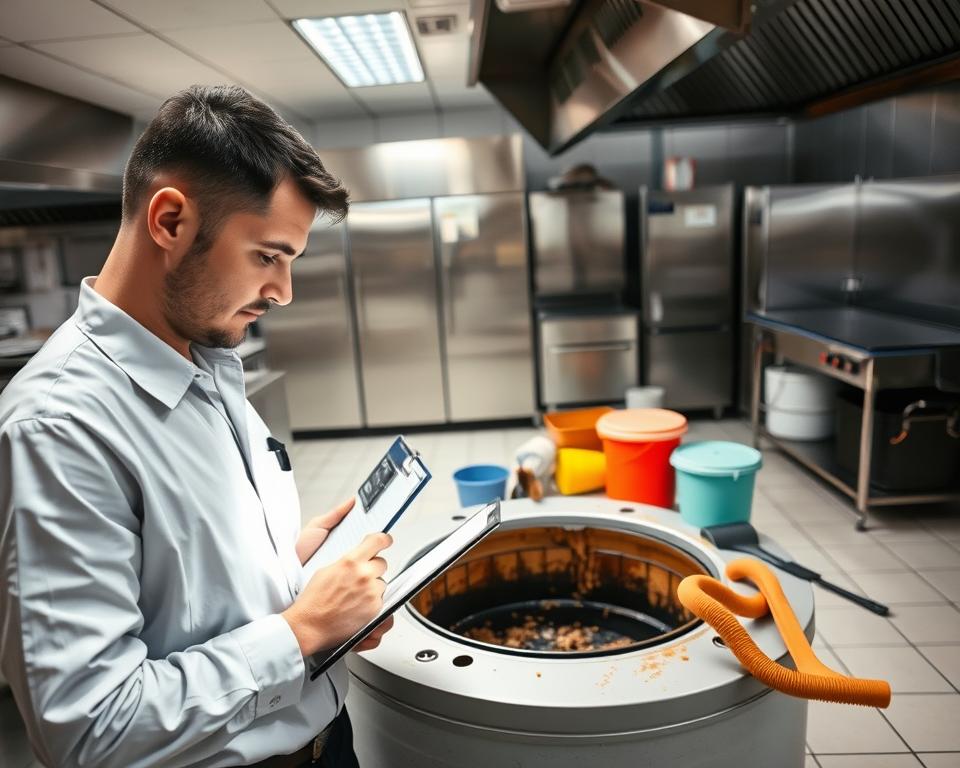
Catching early indicators of grease trap issues is important for smooth kitchen operations. Look out for persistent odors, slow-draining sinks, and visible buildup around floor drains. These symptoms typically signal FOG buildup that lowers capacity and slows plumbing flow.
Regular grease trap maintenance prevents disruptions and ensures compliance with health codes. Booking grease trap pumping before issues escalate saves time and helps avoid emergency shutdowns. It also protects downstream pipes and extends their service life.
Bad odors and slow drains
- Persistent unpleasant smells near sinks or prep areas often indicate trapped FOG and solids breaking down inside the unit.
- Slowly worsening drainage often means the trap or laterals are filling and losing capacity.
- These conditions reduce staff efficiency and can negatively affect customer experience if left untreated.
Clogs and backups: when to contact a professional
- Repeated clogs or sewage backups need immediate attention to reduce health risks and service interruptions.
- Visible overflow from the trap or frequent overflows in floor drains indicate the need for full emptying and deep internal cleaning.
- If health or municipal inspections occur—or flow becomes irregular—schedule a grease trap cleaning appointment.
Selecting a qualified company that provides maintenance plus certified pumping helps ensure correct emptying and cleaning. Correct servicing brings back capacity, cuts odors, and prevents expensive plumbing emergencies over time.
Benefits Of Regular Grease Trap Maintenance
Consistent maintenance of kitchen drainage systems can deliver major savings and smoother operations. By preventing the accumulation of fats, oils, and grease, it minimizes the risk of pipe blockages and sewer backups. These issues can halt service and necessitate expensive emergency repairs.
A professional service can return a grease trap to proper working capacity. Technicians thoroughly clean out sludge, solids, and trapped grease from each chamber. Businesses often schedule line cleaning and pipe work simultaneously. This approach clears downstream buildup and minimizes the need for repeat visits.
Preventing costly plumbing issues
- Routine cleaning greatly lowers the risk of backups that can damage floors, equipment, and inventory.
- Routine inspections can catch worn parts early, preventing major drain and septic-connection repairs.
- Regular interceptor maintenance keeps flow steady and reduces emergency service calls.
Improving operations and compliance
- Scheduling service windows helps avoid unexpected shutdowns and supports smooth peak-hour operations.
- Documented commercial grease trap cleaning programs assist in meeting local health codes and municipal regulations.
- Maintenance schedules can be customized based on meal volume, menu type, trap size, and operational hours to suit each establishment.
Choosing a proactive maintenance strategy can save time and reduce costs. It safeguards plumbing systems, supports compliance with regulations, and allows staff to focus on food service without interruptions.
Grease Trap Cleaning & Septic Pumping: What You Need To Know
Commercial kitchens and small eateries need consistent maintenance to avoid expensive backups. This section outlines how grease trap and septic system cleaning works. It also shares tips for choosing a dependable provider. Learn about the inspection steps, the work involved, and what to expect from a grease trap pumping service.
The Cleaning Process: How It Works
First, technicians inspect the trap to confirm size, FOG levels, and access points. If required, they can use cameras and line tools to inspect deeper.
Next, they pump and empty the trap using high-grade trucks. This step restores flow and reduces the risk of overflows.
After pumping, deep cleaning removes buildup from walls, bottoms, and compartments. This thorough scrubbing cuts odors and helps prevent backups during peak periods.
Optional add-ons include line cleaning, floor drain cleaning, and used cooking oil collection. These services ensure the grease management system operates efficiently.
Providers also offer documentation for waste manifests and compliance paperwork. This paperwork is essential for municipal inspections and reporting.
Selecting A Reliable Service Provider
Choose experienced firms that understand commercial kitchens and local regulations. Providers who serve similar businesses usually understand your needs more clearly.
Ensure the provider uses specialized trucks and equipment for confined spaces. Proper equipment minimizes downtime during service.
Look for flexible scheduling options, including weekly, monthly, or seasonal plans. Rapid, discreet services outside peak hours are also beneficial. Tailored service keeps operations running smoothly.
Verify that the provider ensures compliance. A reliable contractor handles all necessary paperwork for inspections and audits related to septic tank maintenance.
Local providers often know regional regulations well and can respond faster. You may consider reputable companies serving Toronto, Mississauga, Oakville, or Brampton. A locally focused pumping service can mean quicker service and stronger compliance assistance.
Grease Trap Maintenance Tips You Should Follow
Operating a commercial kitchen means small habits matter—because they prevent big problems. Consistent maintenance prevents clogs, minimizes odors, and supports compliance with waste rules. These pointers help you maintain grease traps between service visits and keep operations smooth.
DIY Maintenance Between Professional Servicing
Scrape food solids and extra grease off cookware and screens before washing. This easy step reduces the trap’s workload and extends time between cleanings.
Regularly inspect access points and visible components. If you notice unusual odors, visible buildup, or slow drainage, schedule a technician visit promptly.
- Use strainers on sinks and floor drains to capture solids.
- Avoid chemical treatments that can harm trap function or break disposal rules.
- Keep a simple log of inspections to monitor changes over time.
Watching What Goes Down The Drain
Train kitchen staff on proper disposal practices. Strong guidelines help keep fats, oils, and large solids out of sink drains.
Implement an on-site used cooking oil collection. Partner with certified recycling services to keep oil out of the trap while supporting sustainability.
- Match cleaning frequency to your operation: number of meals served, menu type, and hours impact how fast the trap fills.
- Schedule routine grease trap cleaning and consider a trusted grease trap pumping service for heavy buildup or frequent use.
- Review records after busy periods to decide if grease trap maintenance intervals need adjustment.
These practices keep grease traps working properly, reduce emergency calls, and improve the effectiveness of professional cleaning. Staff attention plus scheduled pumping protects plumbing and supports smooth operations.
Septic System Maintenance: Extending System Life
Proper care is key to a septic system’s longevity and prevents costly failures. Regular inspections, targeted servicing, and knowing how drains impact the system are crucial. This guide will help you grasp how the system functions and when to seek professional help.
Understanding your septic system’s function
Septic systems collect wastewater generated by a building. Solids settle in the tank, while liquids move to a drain field for absorption. Grease and non-biodegradable items can interfere with settling, reduce capacity, and shorten service intervals.
In food-service facilities, coordinating grease trap cleaning & septic pumping is critical. If grease bypasses traps, it can overload the septic tank. Consistent grease trap cleaning lowers the load on septic systems and improves treatment performance.
Professional septic pumping removes built-up sludge and restores tank capacity. Scheduling pumping based on tank size and usage helps avoid backups and costly repairs.
Common signs of septic system problems
- Slow drains or gurgling sounds in plumbing.
- Ongoing sewage odors indoors or near the property.
- Toilet backups or unexplained wet, lush spots above the drain field.
Respond quickly when these signs show up. Regular checks and a planned septic tank maintenance schedule lower the risk of environmental damage and expensive emergencies.
For food-service properties, combine routine grease trap cleaning & septic pumping with scheduled septic pumping. This coordinated approach extends system life and keeps operations compliant with local rules.
Why Professional Septic Cleaning Matters
Regular care is crucial for system efficiency and business continuity. Professional septic cleaning offers a detailed approach, extending beyond simple pumping. It relies on trained technicians who handle pumping, inspections, and proper documentation. This ensures health safety, environmental protection, and adherence to regulatory standards.
Regular septic pumping best practices
- Set pumping schedules based on tank size and usage. Professionals can suggest intervals post-inspection.
- Ensure complete removal of solids and sludge. Services should include checks of tank condition and outlet filters.
- Coordinate timing to reduce disruption—pros use specialized equipment to keep downtime low.
- Request written records. Proper documentation aids in following local disposal rules and proves compliance.
Consequences of septic neglect
- System failure increases health and environmental risk because untreated sewage can contaminate groundwater and surface water.
- Costs can jump quickly: repairs, drain field replacement, and emergency pumping can lead to expensive closures.
- Regulatory penalties are possible without proper maintenance and records. Fines and enforcement actions can follow neglected septic tank maintenance.
Combining grease trap cleaning & septic pumping with scheduled septic service reduces risks and supports long-term performance. Investing in professional service reduces preventable failures and helps keep facilities safe and compliant.
Wrapping Up
Routine professional grease trap cleaning and septic pumping are vital for commercial kitchen plumbing health. They prevent costly backups, reduce odors, and ensure compliance with health and municipal regulations. Prompt service lowers the risk of emergencies that can interrupt operations.
For smooth operations, build a customized schedule based on kitchen volume and trap size. Partner with proven providers that deliver pumping service, line cleaning, and flexible scheduling. Clear communication plus documented visits helps with inspections and compliance.
Regular septic pump-outs and grease trap maintenance increase equipment lifespan and reduce long-term repair costs. Proper management of fats, oils, and grease also supports environmental goals and can enable recycling programs. A solid maintenance plan delivers reliability, stronger performance, and peace of mind for operators and facility managers.
Related: Additional Details About Grease Cleaning And Pumping Response Time